
[카테고리:] Stock Market Insights

  • BDI index, 주식, 해운주, HMM: 글로벌 경기 선행지표 BDI 완전정복

    BDI index, 주식, 해운주, HMM: 글로벌 경기 선행지표 BDI 완전정복

    Featured

    안녕하세요, 딱딱한 주식 부드럽게 #딱주부TV의 두루미입니다. 오늘은 글로벌 실물경기와 금융시장을 관통하는 핵심 지표인 BDI (Baltic Dry Index)에 대해 깊이 있게 알아보겠습니다. BDI는 해운주, 특히 HMM 같은 대형 해운회사 주가와도 밀접한 관계가 있는 지수로서, 이를 이해하면 주식 투자에서 한 단계 업그레이드된 시각을 갖출 수 있습니다.

    이번 글에서는 BDI가 무엇인지, 어떻게 산출되는지, 그리고 실물경제와 금융시장에서 어떤 역할을 하는지부터 시작해서, 선형별 선박의 특징, 지수 왜곡 가능성과 보정 시스템, 그리고 금융상품과의 연결 구조까지 상세히 다뤄보겠습니다. 또한, BDI를 활용한 실전 투자 사례와 민감도 분석, 그리고 기술적 분석 방법과 투자자의 마인드 컨트롤까지 전부 살펴보겠습니다.

    BDI란 무엇인가? 실물경기의 나침반

    BDI는 영국 발틱 거래소에서 발표되는 지표로, 글로벌 실물경기의 나침반 역할을 합니다. 실물경제에서 원자재와 건화물(드라이 벌크)의 운임 가격 변동을 반영하는 이 지수는, 단순히 조선사나 선주가 아닌, 전 세계 약 30여 개의 순수 브로커들이 매일 제출하는 실제 운임 데이터를 기반으로 산출됩니다.

    이 브로커들은 마치 주식시장의 증권사처럼 운임 가격을 매일 제출하고, 발틱 거래소 산하의 BEISL이 이 데이터를 수집 및 관리합니다. 데이터를 산출하는 데 엄청난 비용과 인력이 들어가며, 이 비용은 주로 회원사 연회비와 유료 데이터 판매를 통해 충당됩니다.

    BDI는 단순한 평균이 아니라, 운송 물동량의 비중과 노선의 중요도 등 다양한 요소에 가중치를 두어 계산됩니다. 예를 들어, 철광석과 석탄처럼 무겁고 많이 운송되는 원자재에 더 높은 가중치가 부여되며, 이를 통해 실물경제의 수요와 공급 상황을 정확히 반영합니다.

    BDI와 건화물 시장

    BDI는 건화물, 즉 액체가 아닌 마른 원자재의 운임을 반영합니다. 건화물에는 철광석, 석탄, 곡물(밀가루, 콩), 비철금속(알루미늄, 구리), 보크사이트 등이 포함됩니다. 이들 원자재는 제조업과 건설업, 에너지 산업 등 실물경제 전반과 밀접한 연관이 있으며, 경기에 매우 민감합니다.

    경기가 좋지 않으면 원자재 수요가 줄어들고, 이는 곧 BDI 하락으로 이어집니다. 반대로 경기가 좋아지면 원자재 수요가 급증해 BDI가 상승합니다. 때문에 BDI는 실물경제의 선행지표로서 투자자뿐만 아니라 경제 전문가들에게도 중요한 참고지표입니다.

    선형별 항로와 선박 규모: BDI 산출의 핵심 변수

    BDI는 크게 네 가지 선형별 지수로 구성됩니다: BCI (Capesize), BPI (Panamax), BSI (Supramax), BHSI (Handysize). 이들은 선박의 크기와 운용 노선에 따라 구분되며, 각각의 특성과 운송 물량이 지수 산출에 반영됩니다.

    • Capesize (BCI): 가장 큰 선박으로, 주로 철광석과 석탄 운송에 사용됩니다. 중국과 호주 간 노선이 대표적입니다.
    • Panamax (BPI): 곡물과 원자재 운송에 적합합니다.
    • Supramax (BSI): 중형 선박으로, 다양한 원자재를 운송합니다.
    • Handysize (BHSI): 소형 선박으로, 주로 소량의 곡물이나 원자재를 운송합니다.

    선박의 크기와 적재 가능 무게(DWT, Deadweight Tonnage)는 BDI 산출에 중요한 역할을 합니다. DWT는 선박이 적재할 수 있는 총 무게를 의미하며, 부피보다 실질적인 하중이 중요합니다. 예를 들어, 철광석처럼 무거운 화물은 대형 선박에 적합하며, 이 때문에 Capesize 지수(BCl)가 BDI에 큰 영향을 미칩니다.

    이 네 개의 선형별 지수는 각기 다른 가중치를 부여받아 산출되고, 이후 단순 평균을 통해 BDI가 계산됩니다. 이렇게 복합적인 가중치와 데이터 관리를 통해 BDI는 실시간으로 글로벌 해운시장의 흐름을 반영합니다.

    BDI 지수 산출 공식과 왜곡 가능성

    BDI는 각 선형별 지수(BCI, BPI, BSI, BHSI)를 가중평균으로 산출한 후, 이를 단순 평균하여 최종 지수를 만듭니다. 운임 데이터는 패널리스트인 30여 개 브로커들이 제출하며, 제출된 데이터는 타임 차터와 보이 차터 두 가지 형태로 구분됩니다.

    • 타임 차터: 차량 렌터카처럼 일정 기간 동안 선박을 임대하여, 운항 일정은 임대자가 결정합니다.
    • 보이 차터: 택시처럼 항차 계약으로, 정해진 노선과 요금에 따라 운항합니다.

    이 두 가지 운임 가격이 모두 제출되어 지수 산출에 반영됩니다. 데이터는 매일 수집되며, 발표 주기가 짧을수록 변동성이 크지만 시장 예측에 유리합니다.

    왜곡 가능성과 보정 시스템

    BDI는 제출 데이터가 소수의 브로커에 의해 결정되기 때문에, 일부 악의적인 조작 가능성이 존재합니다. 예를 들어, 한 브로커가 운임 가격을 인위적으로 낮추거나 올리면 전체 지수에 큰 영향을 줄 수 있습니다. 이는 금융시장에서는 큰 이익을 얻기 위한 투기 행위로 이어질 수 있습니다.

    이를 방지하기 위해 영국의 금융감독청(FCA)은 다음과 같은 규제와 감시 시스템을 운영합니다:

    1. 극단적 값(익스트림 값)을 제거하는 감사 절차
    2. 패널리스트 간 교차 검증 및 정기 검사
    3. 발틱 거래소 자체의 데이터 정화 및 모니터링

    이러한 시스템 덕분에 BDI는 조작 위험을 최소화하고, 신뢰성 있는 지표로 유지되고 있습니다.

    BDI와 금융상품의 연결: FFA, ETF, 옵션

    BDI는 단순한 해운 운임 지수에 그치지 않고, 금융상품의 기초자산으로도 활용됩니다. 코스피 200 지수가 주식시장의 벤치마크 역할을 하듯, BDI도 글로벌 경제의 선행지표로서 다양한 파생상품과 연결되어 있습니다.

    • FFA (Forward Freight Agreement): BDI를 기초자산으로 하는 선물 계약입니다. 운임 변동 리스크를 헷지하거나 투기 목적으로 거래됩니다. 예를 들어, 운임이 1만 원에서 1만 1천 원으로 오를 것으로 예상하면, 1만 원에 미리 계약하여 차익을 얻는 방식입니다.
    • ETF (Exchange Traded Fund): BDI 지수와 연동되는 상장지수펀드로, 주식처럼 증시에서 거래됩니다. 해운주와 연계된 ETF도 존재하며, 투자자들은 이를 통해 간접적으로 해운업과 원자재 시장에 투자할 수 있습니다.
    • 옵션: 운임 가격과 만기 시점을 예측하는 고위험 금융상품입니다. FFA와 달리 가격과 기간을 정확히 맞춰야 하므로 더욱 복잡한 거래가 이루어집니다.

    이러한 금융상품들은 해운사, 화주, 전문 트레이더 등 다양한 시장 참여자들이 운임 변동 리스크를 관리하거나 이익을 추구하는 데 활용합니다.

    실전 사례와 민감도 분석: BDI가 움직이는 변수들

    BDI는 단순히 경기가 좋아서 오르는 것이 아니라, 다양한 변수들의 복합적인 영향으로 움직입니다. 주요 변수는 다음과 같습니다:

    1. 지정학적 리스크: 전쟁이나 국제 분쟁 발생 시 단기적으로 BDI가 급등합니다. 예를 들어, 이스라엘-이란 분쟁은 해운 운임에 직접적인 상승 압력을 줍니다.
    2. 중국 경기 회복 및 부양책: 중국은 세계 최대 원자재 소비국으로, 경기 부양책 발표 시 철광석, 석탄 등 원자재 가격이 급등하며 BDI를 끌어올립니다.
    3. 글로벌 인플레이션: 인플레이션 초기에 원자재 수요가 폭발하면서 BDI가 상승하는 경향이 있습니다. 이는 원자재 가격 상승분을 운임에 전가할 수 있기 때문입니다. 단, 인플레이션이 장기화되어 경기 침체(스태그플레이션)로 이어지면 BDI는 하락합니다.
    4. 선박 공급 증가: 선박 공급이 급증하면 초과 공급으로 운임이 하락합니다. 최근 조선소에서 신조선이 다수 건조 중인 점도 장기적으로 BDI 하락 압력으로 작용할 수 있습니다.
    5. 환경 규제: 배출가스 규제 강화 등 환경 규제로 인해 친환경 선박 건조 비용이 상승하고, 선박 공급이 제한되면서 BDI 상승 요인으로 작용합니다.
    6. 글로벌 경기 침체: 경기 침체가 현실화하면 원자재 수요 감소로 BDI가 급락합니다.

    BDI와 해운주, 원자재 주식의 상관관계

    BDI는 해운주 주가와 거의 싱크로율이 90% 이상에 달합니다. 따라서 해운주(HMM 포함)에 투자할 때는 BDI 지수를 반드시 참고해야 하며, BDI가 하락세일 때 무턱대고 해운주에 투자하는 것은 매우 위험합니다.

    또한, 원자재 가격과 수요가 폭발하면 관련 광산주나 마이닝 업체 주가에도 긍정적인 영향을 미치며, 조선사 주가 역시 신조선 수주 증가와 함께 상승할 가능성이 큽니다.

    예를 들어, 최근 지정학적 긴장과 원자재 가격 상승으로 BDI가 급등했을 때, 해운주와 원자재주가 동반 상승하는 모습을 볼 수 있었습니다.

    BDI의 기술적 분석과 투자 전략

    BDI는 매일 발표되지만, 데이터의 변동성과 소수 브로커 기반 데이터의 특성 때문에 일봉보다는 주봉 차트로 분석하는 것이 더 안정적입니다. 주봉 차트는 일주일간의 데이터를 모아 노이즈를 줄이고 추세를 파악하는 데 유리합니다.

    또한, BDI는 장기적으로는 4~5년 이상의 하락 추세가 이어질 수 있으므로, 단기 급등이나 지정학적 리스크에 따른 변동성을 이해하고 투자해야 합니다. 무턱대고 단기 상승만 보고 해운주에 투자하면 큰 손실을 볼 수 있습니다.

    투자 시에는 다음을 명심해야 합니다:

    • BDI의 상승은 단기 급등일 수 있으며, 장기 상승 추세 여부를 반드시 확인할 것
    • 지정학적 리스크, 중국 경기 부양책, 글로벌 인플레이션 등의 변수 변화를 지속적으로 모니터링할 것
    • BDI에 연동된 금융상품(FFA, ETF, 옵션)을 활용해 리스크를 분산하거나 헷지 전략을 구사할 것
    • 기술적 분석 시 주봉 차트를 중심으로 추세와 지지/저항선을 분석할 것

    마인드 컨트롤: BDI를 통한 투자자의 마음가짐

    BDI는 단순히 해운주를 보는 지표가 아닙니다. 실물경제와 금융시장을 연결하는 교차점으로서, 미래의 불확실성과 투기성 수급까지 반영하는 복합적인 지표입니다.

    많은 투자자가 BDI를 단순한 해운 운임 지수로 오해하고, 차트만 보고 무턱대고 투자하는 경우가 많습니다. 하지만 BDI를 제대로 이해하려면 지수 산출 원리, 구성 변수, 글로벌 경제 상황, 지정학적 리스크, 금융상품 연계 등을 모두 종합적으로 고려해야 합니다.

    미래에 우주여행, 양자컴퓨터 같은 먼 미래 기술에 대한 기대감과는 달리, BDI는 현재 실물경제에서 실제 거래되는 원자재와 운임 데이터를 바탕으로 합니다. 그래서 BDI가 움직이는 원리를 정확히 알고 투자하면, 해운주(HMM 포함)와 원자재주 투자에서 큰 도움이 됩니다.

    투자자의 가장 중요한 자세는 정보에 기반한 냉철한 판단과 꾸준한 학습입니다. BDI를 통해 경제 상황을 선행적으로 파악하고, 투자 위험을 줄이며, 장기적인 관점에서 시장을 바라보는 시각을 키우시길 바랍니다.

    마무리하며

    오늘 글을 통해 BDI, index, 주식, 해운주, HMM에 대해 폭넓고 깊이 있는 이해가 되셨길 바랍니다. BDI는 단순한 해운 운임 지수가 아니라, 글로벌 경제의 실물과 금융을 잇는 중요한 선행지표입니다. 이를 통해 지정학적 리스크, 원자재 시장, 선박 공급 동향, 환경 규제, 금융상품 연계 등 다양한 요소를 종합적으로 파악할 수 있습니다.

    투자에 있어서는 BDI를 단순히 차트만 보고 판단하는 것이 아니라, 지수 산출의 원리와 변수를 이해하고, 글로벌 경제 상황과 함께 분석하는 것이 필수입니다. 이를 통해 해운주, 특히 HMM 같은 대형 해운사의 주가 흐름을 예측하고, 보다 안정적이고 수익성 높은 투자 전략을 세울 수 있습니다.

    앞으로도 BDI와 관련된 경제 지표와 시장 동향을 꾸준히 공부하시고, 현명한 투자 결정 하시길 응원합니다. 모두 힘찬 한 주 시작하시고, 투자에 성공하시길 바랍니다!
    talk stock make easy

    Your Go-To Channel for Investment Insights

    Discover Expert Analysis

  • 엘티씨 LTC (170920) 2025년 발표 4Q 실적 분석 및 매매 전략 – 최신 재무제표 리뷰 & 기술적 분석

    엘티씨 LTC (170920) 2025년 발표 4Q 실적 분석 및 매매 전략 – 최신 재무제표 리뷰 & 기술적 분석

    🚀 LTC 최신 실적 분석 및 투자 전략: 과거 방송 리뷰와 함께!

    LTC(엘티씨)가 오늘 최신 실적을 발표했습니다. 과거 방송에서 분석했던 전망과 비교하면서, 실적이 실제로 기대에 부합했는지 평가해보고자 합니다. 또한, 기술적 분석을 통해 향후 주가 흐름과 매매 전략을 수립하여 투자에 실질적인 도움을 드리겠습니다.


    LTC 기업 개요

    LTC는 다양한 사업 분야에서 혁신적인 기술과 지속 가능한 성장 전략을 추구하는 기업입니다. 최근 몇 년간 꾸준한 성장을 이어오며 업계에서 긍정적인 평가를 받고 있으며, 이번 실적 발표를 통해 기업 가치가 어떻게 변동했는지 살펴보겠습니다.


    LTC 최신 재무 분석: 중요한 실적 공시 리뷰

    최근 발표된 재무제표를 바탕으로 LTC의 재무 건전성 및 수익성을 면밀히 분석하겠습니다.

    1. 밸류에이션 분석: 기업 가치 상승 요인

    최근 LTC의 실적이 기대치를 상회하면서 기업 가치는 긍정적인 방향으로 조정되었습니다. 특히, 이번 분기 어닝 서프라이즈(Earnings Surprise)를 기록하면서 투자자들의 관심이 더욱 집중되고 있습니다.

    매출 증가: 지속적인 성장세를 보이며 안정성이 강화됨
    이익률 개선: 비용 절감 및 효율적 운영을 통해 수익성이 향상됨
    성장 가능성: 신사업 진출과 함께 향후 실적 개선 가능성이 높아짐

    📌 어닝 서프라이즈란?
    기업이 시장 예상치를 초과하는 실적을 발표하는 것을 의미하며, 이는 주가 상승을 유발하는 핵심 요인이 됩니다. LTC의 이번 실적 발표도 이에 해당하여 강한 매수세가 유입될 가능성이 큽니다.


    기술적 분석: LTC 주가 흐름 및 매매 전략

    LTC의 주가 흐름을 분석한 결과, 기술적 지표들이 긍정적인 신호를 보내고 있습니다.

    1. 주가 패턴 분석

    현재 LTC의 주가는 강한 상승 패턴을 형성하고 있으며, 이는 투자자들에게 매수 신호로 해석될 수 있습니다.

    • 지지선: 9,680원 수준에서 강한 지지 확인
    • 저항선: 주요 저항선을 돌파 후 안정적인 상승세 유지

    🔍 최근의 ‘하이파이브 패턴’(강한 상승 신호)
    최근 LTC 차트에서 **하이파이브 패턴(High Five Pattern)**이 나타나면서 상승 흐름이 강화되고 있습니다. 이는 과거에도 강한 상승을 예고했던 패턴으로, 추가적인 주가 상승 가능성을 시사합니다.

    2. 어닝 서프라이즈 효과 및 주가 전망

    LTC의 이번 어닝 서프라이즈는 시장에서 큰 반향을 일으키며 주가 상승의 원동력이 될 가능성이 큽니다.

    📈 어닝 서프라이즈가 주는 투자 신호
    ✅ 기업의 실적이 예상보다 우수하여 투자 신뢰도 증가
    ✅ 실적 발표 이후 강한 매수세 유입 가능성
    ✅ 주가 상승 기대감이 높아지며 변동성 확대


    내일(3월 7일) 투자 전략 및 매매 시나리오

    📌 주의! 장 초반 강한 상승 가능성 → 과열 주의!

    LTC의 이번 실적 발표로 인해, 내일 장 초반 강한 급등이 나올 가능성이 높습니다. 그러나, 초보 투자자들이 이 흐름에 과몰입하여 무리한 뇌동매매(감정적인 매매)를 할 가능성이 큽니다.

    🔺 전략 1: 단기 매매자 (트레이더 전략)
    장 초반 과열 시 매도 대응 → 오버슈팅 가능성(단기 급등 후 조정 예상)
    급등 이후 조정이 올 가능성이 크므로 신중한 진입 필요

    🔻 전략 2: 장기 투자자 (가치투자 전략)
    하락 조정이 나온 후 매수 기회 탐색
    LTC의 장기적인 성장 가능성을 고려한 분할 매수 전략 유효

    📍 결론: 급등 시 과열 주의, 조정 시 기회 포착!


    위험 관리 및 투자 유의 사항

    📌 주식시장은 변동성이 크기 때문에, 리스크 관리가 중요합니다.

    손절매 기준 설정: 예상보다 시장 반응이 약할 경우 대비
    시장 흐름 모니터링: 실적 발표 후 주가 움직임을 지속적으로 확인
    과열 구간 경계: 감정적 매매를 피하고 냉정하게 대응


    맺음말

    오늘 분석한 LTC의 실적과 주가 흐름을 바탕으로, 내일의 투자 전략을 세워보았습니다.

    🔔 좋아요 & 구독을 눌러 주시면 앞으로도 더욱 깊이 있는 기업 분석을 제공해 드리겠습니다!

    📊 실적 분석 + 기술적 분석 + 투자 전략까지! LTC에 대한 궁금증이 있다면, 아래 댓글로 남겨주세요. 🚀

    👉 다음 분석에서도 좋은 인사이트를 제공해드리겠습니다!

  • Saudi Ceasefire Negotiations, Rising Oil Prices, and Non-Ferrous Metals Market Analysis

    Saudi Ceasefire Negotiations, Rising Oil Prices, and Non-Ferrous Metals Market Analysis

    Saudi Ceasefire Negotiations, Rising Oil Prices, and Non-Ferrous Metals Market Analysis

    Today, we will conduct an in-depth analysis of the ongoing ceasefire negotiations in Saudi Arabia, the resulting surge in oil prices, the non-ferrous metals market, and the KOSPI. This article covers several crucial issues, so stay focused until the end.

    Significance of Saudi Ceasefire Negotiations

    The negotiations taking place in Saudi Arabia are more than just a diplomatic event. Given the significant benefits for multiple nations, this presents an opportunity for Saudi Arabia to strengthen its global standing. Through these talks, Saudi Arabia can elevate its reputation as an international mediator and enhance its leadership role within OPEC, further solidifying its influence over oil prices.

    Additionally, the ceasefire negotiations are expected to strengthen Saudi Arabia’s defense cooperation with the U.S., which could be instrumental in exerting pressure on Iran.

    Russia’s Position and Economic Impact

    This ceasefire agreement could also be beneficial for Russia. If economic sanctions are eased, Russia’s energy and non-ferrous metals exports could see significant growth, positively impacting the country’s finances. Currently, Russia relies heavily on China due to Western sanctions, but these negotiations could create opportunities for Russia to expand partnerships with Europe and the United States.

    Such changes would also be advantageous for the U.S., as they could reduce financial losses related to Ukraine and further strengthen America’s standing in Europe and NATO.

    China’s Rare Earth Strategy

    China is strategically timing its leverage over rare earth elements. In response, the U.S. is securing rare earth mining rights in Greenland and Ukraine to reduce its dependence on China. This strategic move is aimed at curbing China’s dominance over the rare earth supply chain.

    Given that all three major players—Saudi Arabia, Russia, and China—stand to benefit from these negotiations, there is a high probability of a successful ceasefire agreement.

    Ukraine’s Role and Resistance

    However, Ukraine is unlikely to welcome these negotiations. President Zelensky has been excluded from the talks, leading to retaliatory actions, such as attacks on oil pipeline facilities. This situation is largely a consequence of Ukraine’s own strategic decisions rather than direct actions from the U.S. or European nations.

    Relationship Between Oil Prices and the Non-Ferrous Metals Market

    If Saudi Arabia successfully facilitates the ceasefire, energy prices should ideally decrease. However, oil prices are currently rising due to two key factors: Ukraine’s attacks on oil pipelines and market expectations for China’s upcoming economic stimulus measures.

    A large-scale stimulus package from China would increase overall energy consumption, contributing to sustained high oil prices.

    Interest Rate Outlook

    Concerns over interest rate hikes are growing. While some experts predict rate increases, the probability of rates remaining unchanged is currently high. To gain a clearer understanding, it is essential to analyze the bond market.

    Long-term interest rates should be higher than short-term rates, and current data suggests a more stable outlook rather than a sharp increase. It is crucial not to be misled by misleading analyses from unqualified experts.

    Importance of the Non-Ferrous Metals Market

    The non-ferrous metals market is a critical indicator of the economy’s future trajectory. Significant price fluctuations in non-ferrous metals can signal economic downturns or expansions. Currently, the market is highly sensitive to changes in supply and demand.

    If Russia reaches a favorable agreement in the ceasefire talks, non-ferrous metal prices may decline, impacting related industries and stock prices.

    Conclusion

    The various issues discussed today are deeply interconnected. A successful ceasefire agreement in Saudi Arabia will have far-reaching effects on oil prices and the non-ferrous metals market. Since all major nations involved have vested interests in ensuring a successful outcome, the likelihood of a favorable resolution is high.

    Understanding market conditions and analyzing volatility will be crucial for making informed investment decisions. We hope that the insights provided in this article will help guide your investment strategies. Thank you for reading!

  • [FSS] 한국 금융감독원의 새로운 배당정책 분석 및 주식 시장에 미치는 영향

    [FSS] 한국 금융감독원의 새로운 배당정책 분석 및 주식 시장에 미치는 영향

    한국 금융감독원의 새로운 배당정책, 시장에 어떤 영향을 미칠까?

    한국 금융감독원(FSS)은 최근 분기배당 절차를 글로벌 스탠다드에 맞춰 개편하며, 투자자들이 배당액을 확인한 후 투자의사 결정을 내릴 수 있도록 하는 정책을 도입했습니다. 이번 개정안으로 인해 배당기준일이 배당액 확정 이후에 결정될 수 있도록 변경되었습니다. 이로 인해 투자자들은 보다 투명한 환경에서 배당주 투자를 결정할 수 있게 되었습니다. 본 포스트에서는 이러한 정책 변화의 주요 내용과 그에 따른 시장 영향을 분석해 보겠습니다.

    1. 새로운 배당정책의 주요 내용

    (1) 배당기준일 지정 방식 변경

    • 기존에는 3월, 6월, 9월 말에 배당기준일이 고정되어 있었으며, 투자자들은 배당금 규모를 알지 못한 채 투자해야 했습니다.
    • 하지만 2025년부터는 배당액 확정 후 배당기준일이 지정될 수 있도록 변경되었으며, 투자자들은 확정된 배당금을 확인한 후 투자를 결정할 수 있습니다.

    (2) 글로벌 기준에 부합하는 개선

    • 기업들은 이사회 결의를 통해 분기배당을 확정할 수 있으며, 정관을 개정하여 배당기준일을 탄력적으로 운영할 수 있습니다.
    • 이에 따라 배당정책의 투명성이 향상되고, 장기 투자자 보호 효과도 기대됩니다.

    2. 금융 시장 및 투자자에게 미치는 영향

    (1) 금융기관 및 기업의 변화

    금융기관 및 기업들은 이번 정책 변경으로 인해 배당 성향을 조정할 가능성이 높아졌습니다. 이에 따라, 다음과 같은 변화가 예상됩니다.

    • 배당 성향의 점진적 조정
    • 자본비율을 고려한 보수적인 배당 정책 시행
    • 배당 정책의 예측 가능성 증가

    (2) 주식시장 반응

    새로운 정책은 투자자들에게 긍정적인 영향을 미칠 것으로 보이며, 특히 고배당주 중심의 투자 전략에도 변화가 예상됩니다.

    • 배당 투자자의 예측 가능성이 증가
    • 금융기관 및 고배당주에 대한 투자 수요 증가 가능성
    • 단기적인 주가 변동성 확대 가능성

    (3) 투자자의 대응 전략

    투자자들은 이번 배당정책 변화에 맞춰 포트폴리오를 조정할 필요가 있습니다. 특히 배당 성향이 높은 종목을 보유한 투자자들은 배당 지급 가능성을 분석하여 신중한 투자 전략을 수립해야 합니다.

    • 배당 기준일 및 배당액을 고려한 투자 전략 수립
    • 배당 안정성이 높은 기업 위주로 투자
    • 배당 관련 정보(거래소, 상장사협의회 공시) 확인 필수

    3. 결론: 금융 안정성과 투자자 신뢰 확보

    금융감독원의 새로운 배당정책은 금융권의 건전성을 강화하고, 주주 가치를 장기적으로 보호하는 방향으로 설계되었습니다. 배당 투자자들은 배당액을 확인한 후 투자 결정을 내릴 수 있게 되면서 투자 예측 가능성이 증가하고, 신뢰도가 향상될 것으로 보입니다.

    투자자들은 배당 기준일과 배당액 정보를 한국거래소, 한국상장사협의회, 코스닥협회 등의 공식 홈페이지에서 반드시 확인하고, 신중한 투자 전략을 수립하는 것이 중요합니다.


    더 자세한 금융감독원 배당정책 변경 상세내용과 고배당주를 배당기준일에 맞게 투자하고 배당락 위험을 최소화하는 방법이 알고 싶다면 **금융감독원 배당정책 설명 영상**을 참고하세요!

  • Earnings Reports & Financial Analysis: A Deep Dive into Hanwha Aerospace

    Earnings Reports & Financial Analysis: A Deep Dive into Hanwha Aerospace

    Introduction to the Defense Industry

    The defense industry plays a crucial role in national security by driving the design, development, and production of military equipment and technology. With escalating geopolitical tensions, global defense expenditures are increasing as nations focus on modernizing their military capabilities.

    Key Trends Shaping the Defense Sector

    • Increasing Military Budgets: Governments worldwide are allocating greater resources to defense due to rising security concerns.
    • Technological Advancements: Innovations in AI, robotics, and cybersecurity are transforming military operations.
    • Geopolitical Conflicts: Heightened international tensions are fueling investments in defense infrastructure.
    • Global Defense Alliances: Countries are forging strategic partnerships to enhance military cooperation and resource sharing.

    Hanwha Aerospace: An Overview

    Hanwha Aerospace is a dominant player in the global defense sector, offering a diverse portfolio that includes military aircraft, artillery systems, and aerospace technologies. Initially part of Samsung Group, the company rebranded as Hanwha Aerospace in 2015, leveraging Hanwha Group’s extensive resources to expand its defense capabilities.

    Key Business Segments

    1. Defense Systems
      • Development of advanced self-propelled howitzers and artillery systems
      • Design and manufacturing of military aircraft
      • Expansion into unmanned aerial vehicles (UAVs) for surveillance and combat
    2. Aerospace Technology
      • Manufacturing aircraft engines for military and commercial applications
      • Ongoing research and development in propulsion systems and aerospace materials
    3. Space Solutions
      • Development of satellite systems for communication and defense
      • Engineering launch vehicles to support space missions

    Financial Analysis of Hanwha Aerospace

    Revenue Growth

    Hanwha Aerospace has exhibited strong revenue growth, driven by increased defense contracts and expanding aerospace sales. The company’s international presence and continued technological advancements have solidified its competitive position in the industry.

    Profitability Metrics

    • Gross Margin: Measures cost efficiency in production and operations.
    • Operating Margin: Assesses the effectiveness of core business strategies.
    • Net Profit Margin: Evaluates overall financial performance and sustainability.

    Cash Flow and Financial Stability

    • Operating Cash Flow: A positive cash flow from core business activities indicates financial strength.
    • Investment Cash Flow: Strategic investments in R&D and acquisitions drive long-term growth.
    • Financing Cash Flow: Effective debt management and equity financing influence overall stability.

    Key Risks & Challenges

    While Hanwha Aerospace presents a strong investment case, several risks should be considered.

    1. Market Volatility: Political changes and fluctuating defense budgets can impact revenue streams.
    2. Regulatory Compliance: The defense industry is heavily regulated, requiring strict adherence to policies.
    3. Supply Chain Disruptions: Global trade uncertainties, conflicts, and natural disasters may affect production.
    4. Rapid Technological Changes: Continuous innovation is necessary to maintain a competitive edge.
    5. Reliance on Government Contracts: Shifts in government policies and spending priorities can influence profitability.

    Upcoming Earnings Report: Key Insights

    Hanwha Aerospace’s next earnings report, scheduled for the 11th of this month, is highly anticipated by analysts and investors.

    What to Watch For

    • Revenue growth trends compared to previous quarters.
    • Profitability and cash flow performance.
    • Company forecasts and strategic outlook.
    • Market reactions following the report release.

    Investment Strategies for Hanwha Aerospace

    Short-Term Trading

    • Monitor market sentiment and price movements around the earnings release.
    • Identify optimal entry and exit points using technical analysis.

    Long-Term Investing

    • Assess Hanwha Aerospace’s growth potential and commitment to innovation.
    • Evaluate the company’s competitive position in the defense and aerospace markets.

    Portfolio Diversification

    • Balance investments across various sectors to mitigate risks.
    • Stay informed about global defense trends and emerging technological developments.

    Stay Updated with Market Insights

    For more in-depth discussions on financial analysis, stock market trends, and investment strategies, visit and subscribe to Talk Stock Make Easy on YouTube. Gain valuable insights to enhance your investment decisions with expert analysis and up-to-date market information.


    Conclusion

    Hanwha Aerospace offers a compelling investment opportunity within the defense and aerospace industry. While there are inherent risks, the company’s robust market presence, revenue growth, and focus on innovation make it a strong contender for investors. Staying informed and strategically analyzing financial reports will help maximize investment potential.

    Follow Hanwha Aerospace’s financial developments and earnings reports to make well-informed investment decisions!

  • Iran’s Nuclear Development & U.S. Relations: Financial Market Impacts & Investment Strategies

    Iran’s Nuclear Development & U.S. Relations: Financial Market Impacts & Investment Strategies

    Introduction: Understanding the Geopolitical Tensions & Market Implications

    As Iran advances its nuclear program, global financial markets are facing heightened volatility. Investors and policymakers must carefully assess the economic and political consequences, as these developments have far-reaching effects on oil prices, stock markets, and international trade.

    In this analysis, we explore Iran’s nuclear ambitions, the U.S. response, and their implications for financial markets. We’ll also outline actionable investment strategies to mitigate risks and capitalize on potential opportunities.


    Iran’s Nuclear Program: What’s at Stake?

    Iran’s official acknowledgment of its nuclear capabilities could trigger severe geopolitical consequences. The global community is closely monitoring whether this escalation will lead to renewed sanctions, diplomatic negotiations, or military interventions.

    Potential Geopolitical Fallout

    • Sanctions & Economic Pressure: The U.S. and its allies could impose additional financial restrictions, impacting Iran’s economy and global energy markets.
    • Military Confrontation Risks: Escalations could lead to military strikes, disrupting oil supply routes and affecting market stability.
    • Regional Power Shifts: Iran’s growing influence in the Middle East could pressure neighboring nations to reassess their defense policies.

    Understanding these factors is crucial for anticipating market reactions and making informed investment decisions.


    The Hormuz Strait: A Global Energy Bottleneck

    The Strait of Hormuz is one of the world’s most critical maritime chokepoints, handling nearly 30% of global oil shipments. Any disruptions in this region could send oil prices soaring, creating ripple effects across financial markets.

    Market Reactions to Potential Disruptions:

    • Oil Prices Surge: Even minor conflicts in the region could push oil prices above $100 per barrel.
    • Stock Market Volatility: Energy-dependent sectors may experience sharp declines, while commodity-based stocks may gain.
    • Currency Fluctuations: The U.S. dollar and safe-haven currencies like the Swiss franc and Japanese yen may strengthen as investors seek stability.

    For investors, monitoring developments in the Strait of Hormuz is essential for managing portfolio risks.


    Historical Perspective: U.S.-Iran Relations & Financial Sanctions

    The strained relationship between the U.S. and Iran dates back decades, influencing global markets repeatedly. Key historical events include:

    • 1951: Iran’s oil nationalization and subsequent U.S. intervention.
    • 1979: The Islamic Revolution and the Iran Hostage Crisis.
    • 2015: The Iran Nuclear Deal (JCPOA) aimed at limiting nuclear activities.
    • 2018: The U.S. withdrawal from the JCPOA, reinstating sanctions.

    Each of these events led to significant shifts in oil prices, stock market reactions, and global investment strategies.

    Effectiveness of Financial Sanctions

    Financial sanctions have been a primary tool to curb Iran’s nuclear program, but their success is mixed. Iran has adapted by:

    • Strengthening trade ties with non-Western countries (China, Russia, India).
    • Utilizing cryptocurrencies for international transactions.
    • Developing alternative financial channels to bypass banking restrictions.

    These workarounds highlight the limitations of sanctions and the need for investors to consider alternative risk mitigation strategies.


    Financial Market Impacts of Escalating Tensions

    Scenario 1: Diplomatic Resolution

    • Market Impact: Stabilization in oil prices, recovery in global stock markets.
    • Investment Strategy: Focus on emerging markets and growth stocks.

    Scenario 2: Limited Military Conflict

    • Market Impact: Temporary spikes in oil prices, short-term stock market volatility.
    • Investment Strategy: Increase holdings in energy ETFs and defensive sectors.

    Scenario 3: Full-Scale War

    • Market Impact: Oil prices exceed $120 per barrel, severe stock market declines, recession risks.
    • Investment Strategy: Allocate funds to gold, U.S. Treasuries, and defensive stocks.

    Understanding these scenarios allows investors to proactively adjust their portfolios based on risk tolerance and geopolitical developments.


    Investment Strategies for Navigating Uncertainty

    1. Invest in Defensive Sectors

    • Healthcare, utilities, and consumer staples tend to outperform during geopolitical crises.
    • Examples: Johnson & Johnson (JNJ), Procter & Gamble (PG), and Duke Energy (DUK).

    2. Hedge with Commodities

    • Gold & Oil ETFs act as safe-haven assets during uncertainty.
    • Consider funds like SPDR Gold Trust (GLD) and United States Oil Fund (USO).

    3. Diversify with ETFs

    • ETFs provide broad exposure to energy, commodities, and international markets.
    • Recommended: iShares MSCI Emerging Markets ETF (EEM) and Energy Select Sector SPDR (XLE).

    4. Monitor Safe-Haven Currencies

    • The Swiss franc (CHF) and Japanese yen (JPY) often appreciate during crises.
    • Forex traders can hedge risks by holding currency pairs like USD/CHF and USD/JPY.

    Conclusion: Staying Ahead of Geopolitical Risks

    Iran’s nuclear developments and escalating tensions with the U.S. will continue to shape global financial markets. Investors must remain vigilant, adapting strategies to mitigate risks and seize potential opportunities.

    Key Takeaways:

    Stay informed on geopolitical developments and economic sanctions. ✔ Diversify investments with defensive sectors, commodities, and ETFs. ✔ Prepare for volatility by monitoring oil prices and safe-haven assets. ✔ Act proactively, adjusting strategies based on market scenarios.

    By leveraging strategic insights and financial market analysis, investors can navigate these turbulent times with confidence and resilience.


    Follow Us for More Market Insights!

    📢 Stay updated with the latest financial market trends by subscribing to our blog!

  • Financial Market Analysis: The Impacts of Trump’s Tariffs on Mexico, Canada, and China

    Financial Market Analysis: The Impacts of Trump’s Tariffs on Mexico, Canada, and China

    Featured

    In this blog, we delve into the ramifications of recent financial market analysis surrounding Trump’s tariffs on Mexico and Canada, and how these geopolitical tensions may influence global markets. The discussion also extends to China’s potential responses and the implications for investors amidst these turbulent times.

    Introduction to the Current Market Situation

    The current market situation is marked by heightened tensions due to recent tariff implementations. These tariffs have created ripples across the financial landscape, affecting not only the countries directly involved but also global economic stability. Investors are now navigating a complex web of reactions, policy changes, and market fluctuations.

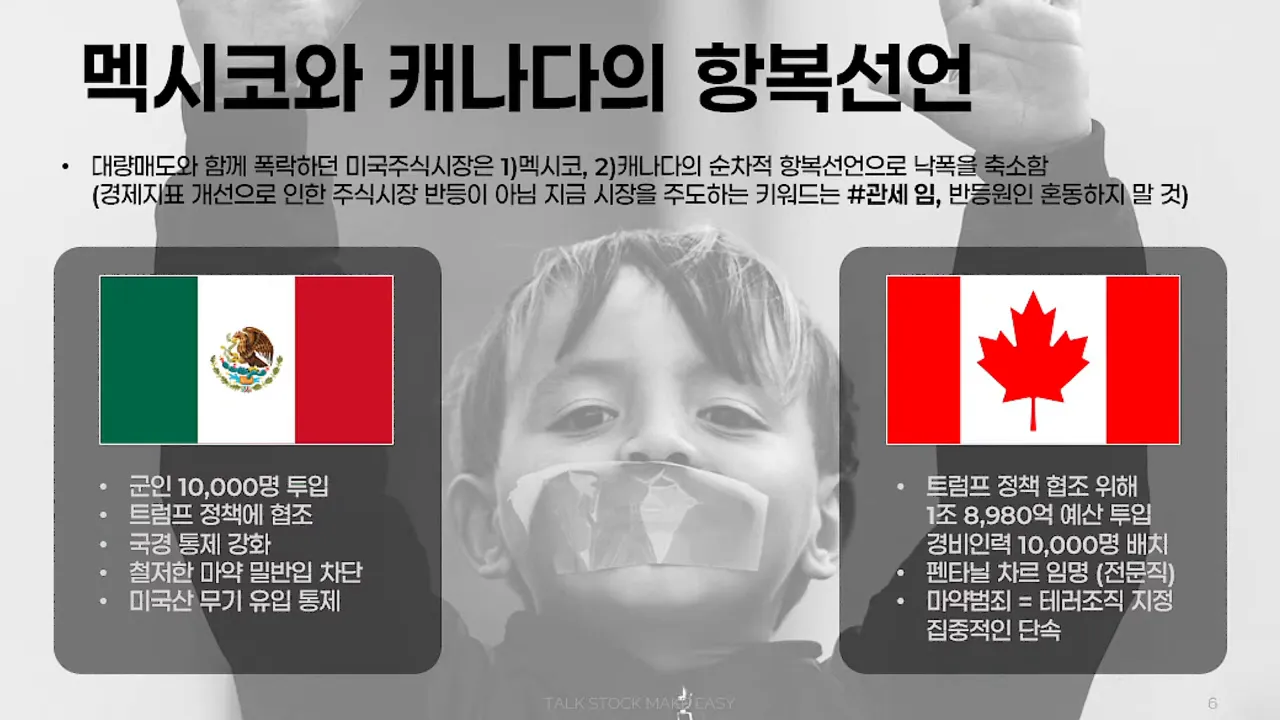
    The swift responses from Mexico and Canada to the tariffs have sent a strong signal to the markets. Both nations have announced compliance with U.S. demands, altering their trade practices and policies in response to the pressure exerted by the tariffs. This compliance is expected to have immediate and far-reaching implications for financial market analysis.

    Trump’s Tariff Impact on Mexico and Canada

    Trump’s tariffs have been described as a nuclear bomb dropped on the economic landscape of North America. The rapid capitulation of Mexico and Canada showcases the impact of these tariffs on their economies. Mexico’s agreement to enforce stricter immigration controls and cooperate with U.S. policies demonstrates a significant shift in its trade approach.

    Canada’s response, which includes a substantial financial commitment to border security and drug control, indicates a serious commitment to align with U.S. demands. This collaboration is likely to impact bilateral trade relationships and economic forecasts for both nations.

    Mexico and Canada's response to tariffs

    Market Reactions and Economic Indicators

    The immediate market reactions to the announcements from Mexico and Canada were significant. Following the compliance declarations, the U.S. stock market saw a notable drop, reflecting investor anxiety over the implications of the tariffs. However, the market also experienced a surprising rebound, attributed to positive economic indicators that emerged simultaneously.

    This duality in market behavior underscores the complex interplay between geopolitical events and economic data. While tariffs have the potential to disrupt markets, favorable economic conditions can provide a counterbalance, leading to unpredictable market movements.

    • Stock Market Volatility: The volatility in stock prices reflects investor uncertainty and the rapid changes in market sentiment.
    • Economic Indicators: Positive economic data can lead to temporary market recoveries, even amidst negative geopolitical news.
    • Long-term Outlook: Investors must consider the long-term effects of tariffs on trade relations and economic health.

    China’s Strategic Position and Potential Responses

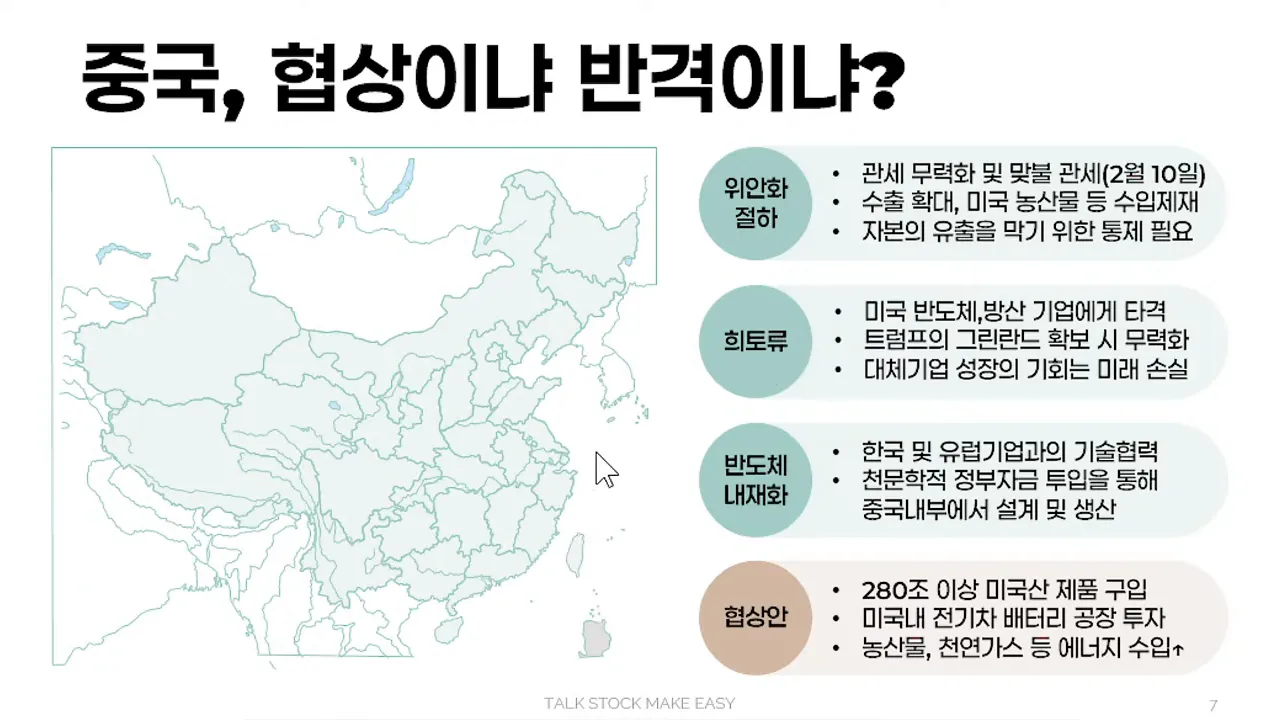
    China’s strategic position in the wake of tariffs is critical. Unlike Mexico and Canada, which quickly capitulated, China is expected to adopt a more combative stance. The potential for negotiations exists, but the likelihood of compliance is low.

    China is likely to respond to tariffs with a range of strategies, including currency devaluation and increased exports. These actions aim to mitigate the economic impact of U.S. tariffs while maintaining competitive pricing for its goods in the global market.

    • Currency Devaluation: A devaluation of the yuan could counteract the effects of tariffs by making Chinese goods cheaper in foreign markets.
    • Increased Exports: China may seek to expand its exports to other markets, offsetting potential losses in the U.S.
    • Strategic Alliances: Collaborating with other countries to counterbalance U.S. influence could become a key strategy for China.

    China's potential responses to U.S. tariffs

    The Role of Rare Earth Elements in Geopolitical Strategy

    Rare earth elements (REEs) play a crucial role in the global economy, particularly in technology and defense sectors. These elements are essential for manufacturing electronics, batteries, and advanced materials. As countries vie for technological supremacy, the control of REEs has become a focal point in geopolitical strategies.

    China currently dominates the rare earth supply chain, producing over 80% of the world’s REEs. This dominance gives China significant leverage over global industries reliant on these materials. If China were to impose restrictions on REE exports, it could lead to substantial disruptions in various sectors, including electronics and renewable energy.

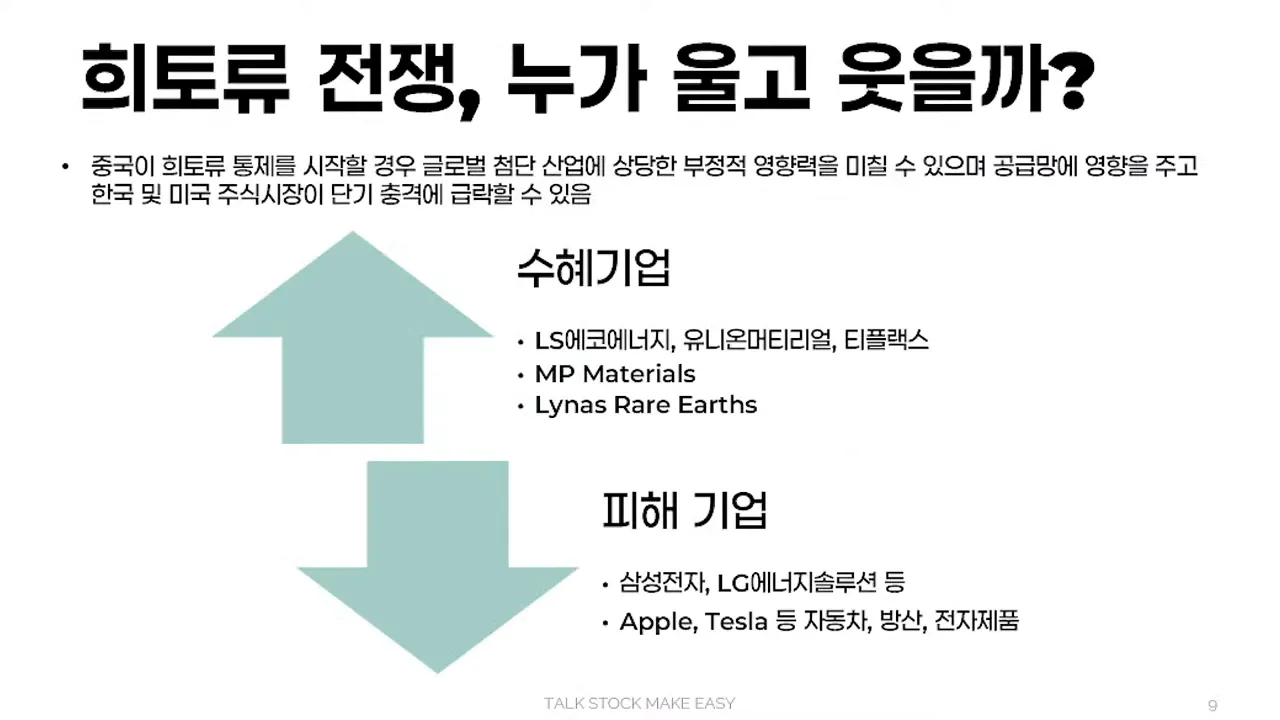
    Impact of China's control over rare earth elements

    Implications for Global Markets

    The immediate impact of China’s control over REEs would likely result in a sharp decline in stock markets worldwide. Companies that depend heavily on these materials, such as electronics manufacturers and automotive producers, would face significant challenges. The initial shock may lead to a temporary market downturn, but recovery could follow as alternative supply chains are developed.

    • Market Volatility: The uncertainty surrounding REE supply could cause fluctuations in market prices, affecting investor confidence.
    • Opportunities for Alternative Suppliers: Companies researching substitutes for REEs, such as Eco Energy and Union Material, may see increased interest from investors as they seek to mitigate risks associated with reliance on China.
    • Defensive Strategies: Firms may need to rethink their supply chain strategies to avoid over-dependence on any single country, prompting a broader search for diverse sources of REEs.

    Challenges of Semiconductor Self-Sufficiency in China

    As the semiconductor race intensifies, China’s ambition to achieve self-sufficiency in this critical sector faces numerous obstacles. Despite substantial investment, China remains heavily reliant on foreign technology and components, particularly from the United States.

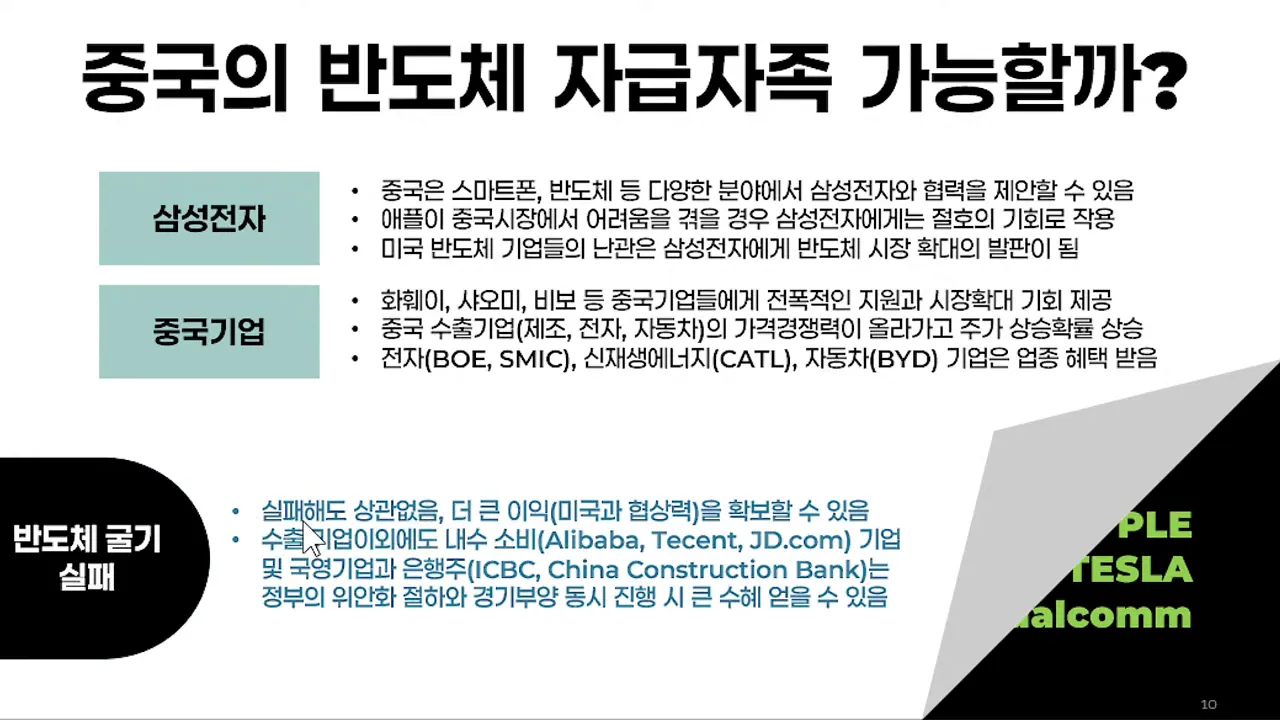
    The U.S. has implemented stringent export controls on advanced semiconductor technologies, making it increasingly difficult for Chinese companies to acquire the necessary tools to compete globally. This situation has created a paradox where, despite significant financial backing, China’s semiconductor industry struggles to break free from foreign dependency.

    China's semiconductor challenges

    Impact on Major Companies

    Major Chinese tech companies, such as Huawei and Xiaomi, are under pressure as they navigate these restrictions. While they continue to innovate, the lack of access to cutting-edge technology hampers their growth potential. The situation creates a mixed landscape where some companies may find opportunities, while others may falter.

    • Potential Winners: Companies like Samsung could benefit from China’s challenges, gaining market share in sectors where Chinese firms are restricted.
    • Strategic Adaptations: Chinese firms may pivot to focus on less advanced technologies or seek partnerships with countries less influenced by U.S. sanctions.
    • Long-term Outlook: The quest for semiconductor independence will likely continue, but it may take years for China to fully realize its goals.

    Impact on major Chinese tech companies

    Future Outlook and Investment Strategies

    The geopolitical landscape surrounding rare earth elements and semiconductors is shifting rapidly. Investors should remain vigilant and consider various strategies to navigate this complexity. Understanding which sectors may benefit or suffer is crucial for informed decision-making.

    As the situation evolves, several investment strategies may emerge:

    • Diversification: Investors should look to diversify their portfolios to mitigate risks associated with geopolitical tensions. This includes exploring companies involved in alternative technologies.
    • Monitoring Market Trends: Keeping an eye on market indicators and economic data can help investors anticipate shifts in market sentiment.
    • Focusing on Innovation: Investing in companies that prioritize research and development in REE alternatives and semiconductor technologies may yield long-term benefits.

    Future investment strategies

    In conclusion, the interplay between rare earth elements, semiconductors, and geopolitical strategies will continue to shape the financial landscape. Investors who stay informed and adapt their strategies accordingly will be better positioned to capitalize on emerging opportunities and mitigate potential risks.

    talk stock make easy

    Your Go-To Channel for Investment Insights

    Discover Expert Analysis


  • Best Corporate Analysis for Smart Investing: Navigating the Financial Landscape in 2025

    Best Corporate Analysis for Smart Investing: Navigating the Financial Landscape in 2025

    Best Corporate Analysis for Smart Investing: Navigating the Financial Landscape in 2025

    Featured

    📊 Reviewing Past Predictions: Accuracy and Insights

    As we dive into the financial landscape of 2025, it’s crucial to look back at our past predictions and analyze their accuracy. Reflecting on the forecasts made before the lunar new year, we see where the predictions hit or missed the mark, providing valuable insights for future strategies.

    Our predictions covered consumer sentiment, inventory levels, interest rates, GDP, price indices, employment data, and earnings reports. A comprehensive review of these factors helps us understand market reactions and guide our investment strategies.

    📉 Consumer Sentiment and Inventory Trends

    Consumer sentiment and inventory levels are pivotal in assessing economic health. Recent data showed a dip in the consumer confidence index, indicating a cautious outlook among consumers. However, a reduction in inventory levels offers a glimmer of hope, suggesting potential for increased production and sales.

    The decrease in wholesale inventories by 0.5% against an expected increase of 0.2% signals a positive turn. This reduction could lead to increased production, boosting economic activity. For investors, this means potential opportunities in sectors poised for growth.

    📈 Interest Rates and Monetary Policy

    The Federal Reserve’s stance on interest rates remains a critical focus. Despite pressures from various quarters, the Fed maintained a dovish stance, keeping rates unchanged. However, the bond market experienced sell-off pressures, reflecting a complex dynamic.

    This scenario illustrates the intricate relationship between monetary policy and market reactions. While the Fed’s decision might seem favorable, the market’s interpretation can differ, influencing investment decisions. Investors must stay informed about these nuances to make smart investment choices.

    📉 GDP and Economic Growth

    GDP figures often dictate market sentiment, and the latest data presented a mixed picture. While GDP growth fell short of consensus expectations, an increase in consumer spending offered a silver lining. This dual narrative underscores the importance of holistic analysis.

    Understanding the components of GDP, such as government and consumer spending, helps investors anticipate market movements. A deeper dive into these elements provides a clearer picture of economic trends, guiding investment strategies.

    📊 Price Indices and Employment Data

    Price indices and employment data are key indicators of economic stability. The core PCE price index met expectations, while a drop in unemployment rates highlighted a robust labor market. These factors contribute to a stable economic backdrop, supporting investment confidence.

    Investors should monitor these metrics closely, as they influence inflation expectations and monetary policy decisions. A stable employment landscape can bolster consumer confidence, driving spending and economic growth.

    📈 Earnings Reports: Tesla and Apple in Focus

    Earnings reports from major corporations like Tesla and Apple provide valuable insights into market trends. Tesla’s conference call and Apple’s improved EPS drew significant market reactions, showcasing the impact of corporate performance on investor sentiment.

    For investors, analyzing earnings reports helps identify potential opportunities and risks. Understanding how these companies navigate challenges and capitalize on opportunities is key to making informed investment decisions.

    🌐 Tariff Risks and Market Implications

    Tariff policies, particularly those initiated by the Trump administration, pose significant risks to both U.S. and Korean markets. These policies can disrupt trade dynamics, affecting corporate earnings and market stability.

    Investors must stay vigilant, assessing how tariff changes impact various sectors. Diversifying portfolios to mitigate risks associated with trade policies can enhance investment resilience in volatile markets.

    🔍 Strategic Outlook: Conservative Approach

    Given the current market dynamics, a conservative investment approach is advisable. Maintaining a cautious stance until the end of the week allows investors to gather more information and make informed decisions.

    Patience and due diligence are crucial in navigating uncertain markets. By staying informed and strategically adjusting portfolios, investors can position themselves for long-term success.

    🔮 Future Strategies: Positioning for Growth

    Looking ahead, investors should focus on sectors poised for growth. Traditional energy companies, defense contractors, financial sectors, and aerospace industries present promising opportunities. Additionally, companies competing with Chinese counterparts may benefit from shifting trade dynamics.

    Identifying sectors with growth potential and aligning investment strategies accordingly can yield substantial returns. Staying ahead of market trends and adapting to changing conditions is key to smart investing in 2025.

    In conclusion, the best corporate analysis for smart investing involves a comprehensive understanding of economic indicators, market dynamics, and strategic positioning. By leveraging insights from past predictions and adapting to current conditions, investors can navigate the financial landscape with confidence and achieve their investment goals.

    talk stock make easy

    Your Go-To Channel for Investment Insights


    Discover Expert Analysis