[작성자:] Rumi Du

  • Financial Market Analysis: The Impacts of Trump’s Tariffs on Mexico, Canada, and China

    Financial Market Analysis: The Impacts of Trump’s Tariffs on Mexico, Canada, and China

    Featured

    In this blog, we delve into the ramifications of recent financial market analysis surrounding Trump’s tariffs on Mexico and Canada, and how these geopolitical tensions may influence global markets. The discussion also extends to China’s potential responses and the implications for investors amidst these turbulent times.

    Introduction to the Current Market Situation

    The current market situation is marked by heightened tensions due to recent tariff implementations. These tariffs have created ripples across the financial landscape, affecting not only the countries directly involved but also global economic stability. Investors are now navigating a complex web of reactions, policy changes, and market fluctuations.

    The swift responses from Mexico and Canada to the tariffs have sent a strong signal to the markets. Both nations have announced compliance with U.S. demands, altering their trade practices and policies in response to the pressure exerted by the tariffs. This compliance is expected to have immediate and far-reaching implications for financial market analysis.

    Trump’s Tariff Impact on Mexico and Canada

    Trump’s tariffs have been described as a nuclear bomb dropped on the economic landscape of North America. The rapid capitulation of Mexico and Canada showcases the impact of these tariffs on their economies. Mexico’s agreement to enforce stricter immigration controls and cooperate with U.S. policies demonstrates a significant shift in its trade approach.

    Canada’s response, which includes a substantial financial commitment to border security and drug control, indicates a serious commitment to align with U.S. demands. This collaboration is likely to impact bilateral trade relationships and economic forecasts for both nations.

    Mexico and Canada's response to tariffs

    Market Reactions and Economic Indicators

    The immediate market reactions to the announcements from Mexico and Canada were significant. Following the compliance declarations, the U.S. stock market saw a notable drop, reflecting investor anxiety over the implications of the tariffs. However, the market also experienced a surprising rebound, attributed to positive economic indicators that emerged simultaneously.

    This duality in market behavior underscores the complex interplay between geopolitical events and economic data. While tariffs have the potential to disrupt markets, favorable economic conditions can provide a counterbalance, leading to unpredictable market movements.

    • Stock Market Volatility: The volatility in stock prices reflects investor uncertainty and the rapid changes in market sentiment.
    • Economic Indicators: Positive economic data can lead to temporary market recoveries, even amidst negative geopolitical news.
    • Long-term Outlook: Investors must consider the long-term effects of tariffs on trade relations and economic health.

    China’s Strategic Position and Potential Responses

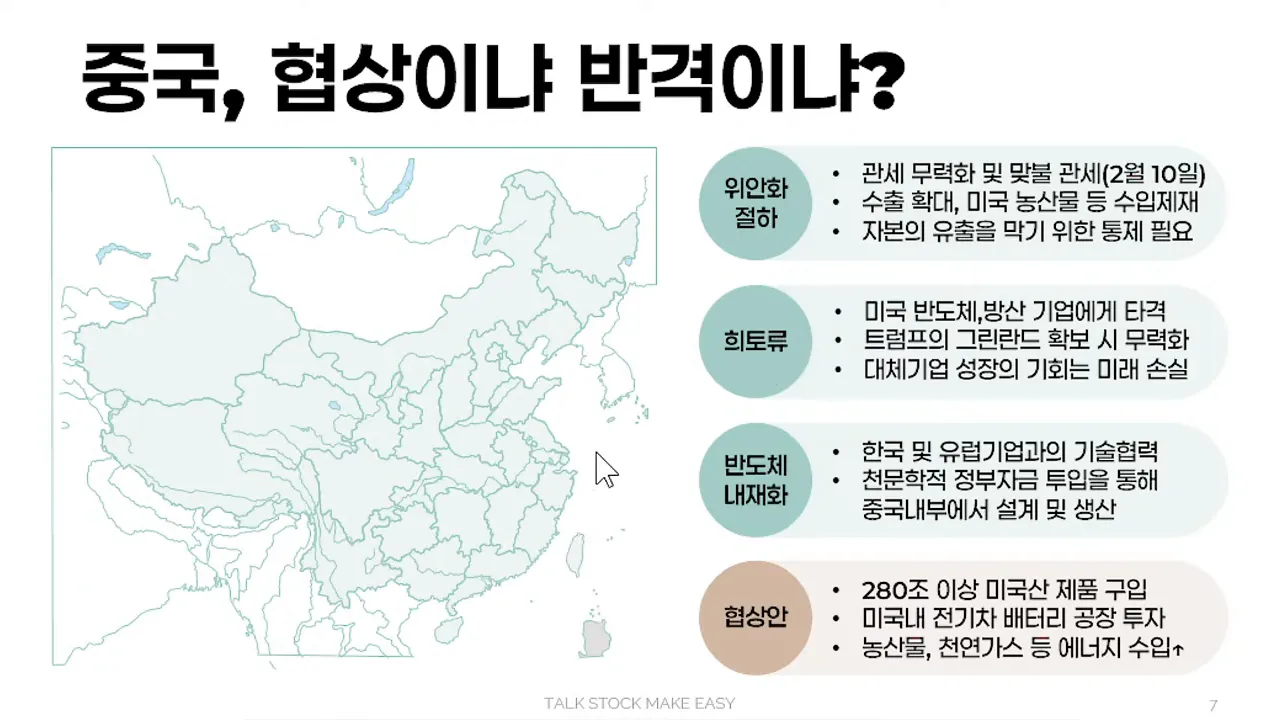
    China’s strategic position in the wake of tariffs is critical. Unlike Mexico and Canada, which quickly capitulated, China is expected to adopt a more combative stance. The potential for negotiations exists, but the likelihood of compliance is low.

    China is likely to respond to tariffs with a range of strategies, including currency devaluation and increased exports. These actions aim to mitigate the economic impact of U.S. tariffs while maintaining competitive pricing for its goods in the global market.

    • Currency Devaluation: A devaluation of the yuan could counteract the effects of tariffs by making Chinese goods cheaper in foreign markets.
    • Increased Exports: China may seek to expand its exports to other markets, offsetting potential losses in the U.S.
    • Strategic Alliances: Collaborating with other countries to counterbalance U.S. influence could become a key strategy for China.

    China's potential responses to U.S. tariffs

    The Role of Rare Earth Elements in Geopolitical Strategy

    Rare earth elements (REEs) play a crucial role in the global economy, particularly in technology and defense sectors. These elements are essential for manufacturing electronics, batteries, and advanced materials. As countries vie for technological supremacy, the control of REEs has become a focal point in geopolitical strategies.

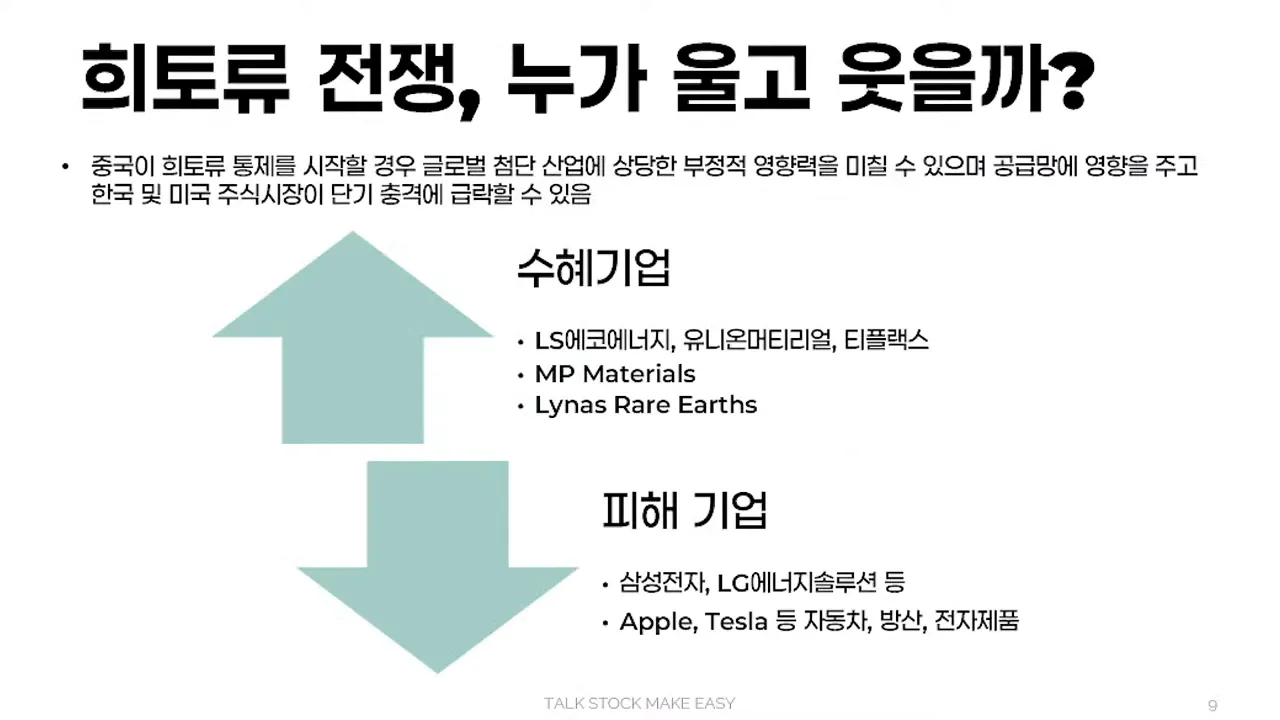
    China currently dominates the rare earth supply chain, producing over 80% of the world’s REEs. This dominance gives China significant leverage over global industries reliant on these materials. If China were to impose restrictions on REE exports, it could lead to substantial disruptions in various sectors, including electronics and renewable energy.

    Impact of China's control over rare earth elements

    Implications for Global Markets

    The immediate impact of China’s control over REEs would likely result in a sharp decline in stock markets worldwide. Companies that depend heavily on these materials, such as electronics manufacturers and automotive producers, would face significant challenges. The initial shock may lead to a temporary market downturn, but recovery could follow as alternative supply chains are developed.

    • Market Volatility: The uncertainty surrounding REE supply could cause fluctuations in market prices, affecting investor confidence.
    • Opportunities for Alternative Suppliers: Companies researching substitutes for REEs, such as Eco Energy and Union Material, may see increased interest from investors as they seek to mitigate risks associated with reliance on China.
    • Defensive Strategies: Firms may need to rethink their supply chain strategies to avoid over-dependence on any single country, prompting a broader search for diverse sources of REEs.

    Challenges of Semiconductor Self-Sufficiency in China

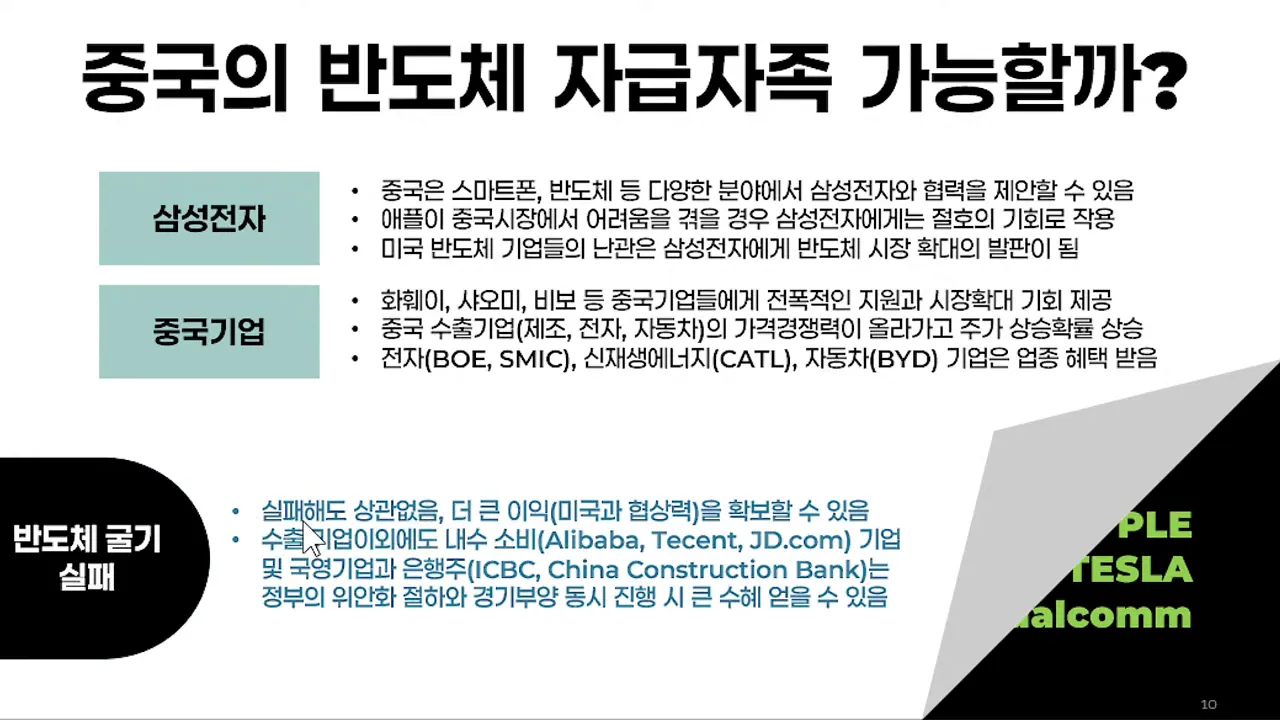
    As the semiconductor race intensifies, China’s ambition to achieve self-sufficiency in this critical sector faces numerous obstacles. Despite substantial investment, China remains heavily reliant on foreign technology and components, particularly from the United States.

    The U.S. has implemented stringent export controls on advanced semiconductor technologies, making it increasingly difficult for Chinese companies to acquire the necessary tools to compete globally. This situation has created a paradox where, despite significant financial backing, China’s semiconductor industry struggles to break free from foreign dependency.

    China's semiconductor challenges

    Impact on Major Companies

    Major Chinese tech companies, such as Huawei and Xiaomi, are under pressure as they navigate these restrictions. While they continue to innovate, the lack of access to cutting-edge technology hampers their growth potential. The situation creates a mixed landscape where some companies may find opportunities, while others may falter.

    • Potential Winners: Companies like Samsung could benefit from China’s challenges, gaining market share in sectors where Chinese firms are restricted.
    • Strategic Adaptations: Chinese firms may pivot to focus on less advanced technologies or seek partnerships with countries less influenced by U.S. sanctions.
    • Long-term Outlook: The quest for semiconductor independence will likely continue, but it may take years for China to fully realize its goals.

    Impact on major Chinese tech companies

    Future Outlook and Investment Strategies

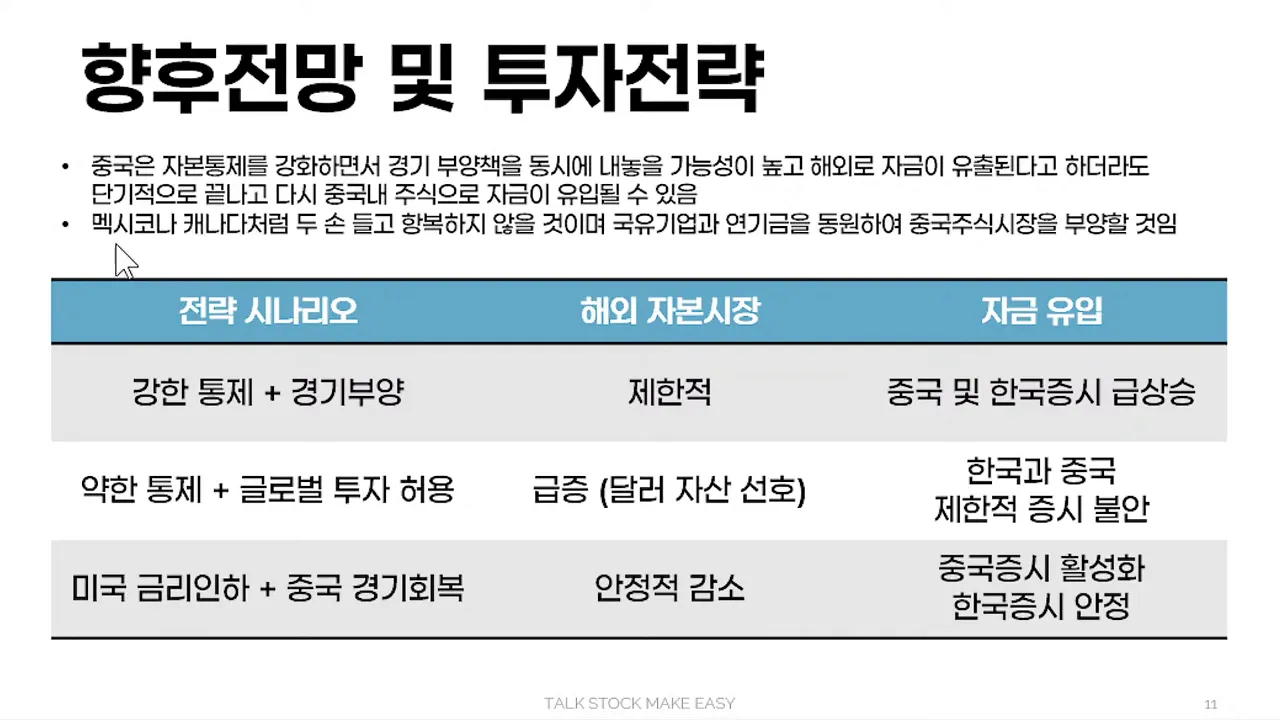
    The geopolitical landscape surrounding rare earth elements and semiconductors is shifting rapidly. Investors should remain vigilant and consider various strategies to navigate this complexity. Understanding which sectors may benefit or suffer is crucial for informed decision-making.

    As the situation evolves, several investment strategies may emerge:

    • Diversification: Investors should look to diversify their portfolios to mitigate risks associated with geopolitical tensions. This includes exploring companies involved in alternative technologies.
    • Monitoring Market Trends: Keeping an eye on market indicators and economic data can help investors anticipate shifts in market sentiment.
    • Focusing on Innovation: Investing in companies that prioritize research and development in REE alternatives and semiconductor technologies may yield long-term benefits.

    Future investment strategies

    In conclusion, the interplay between rare earth elements, semiconductors, and geopolitical strategies will continue to shape the financial landscape. Investors who stay informed and adapt their strategies accordingly will be better positioned to capitalize on emerging opportunities and mitigate potential risks.

    talk stock make easy

    Your Go-To Channel for Investment Insights

    Discover Expert Analysis


  • Talk Stock Make Easy (딱주부TV): A Data-Driven Investment Channel You Should Follow

    Talk Stock Make Easy (딱주부TV): A Data-Driven Investment Channel You Should Follow

    Investing in the stock market requires more than just following news trends and market speculation. Talk Stock Make Easy (딱주부TV) is a YouTube channel dedicated to helping investors make informed, logical, and strategic decisions through in-depth financial analysis. Whether you’re a beginner or an experienced trader, this channel offers valuable insights to enhance your investment journey.

    Let’s explore what makes Talk Stock Make Easy a standout resource for smart investing.


    1. A Data-Driven Approach to Stock Market Analysis

    Unlike many investment channels that focus on hype-driven stocks or vague predictions, Talk Stock Make Easy utilizes a multifaceted analytical approach that combines quantitative financial metrics with qualitative market insights.

    • Quantitative Analysis: In-depth evaluation of key indicators like ROE, PBR, cash flow, and earnings growth.
    • Qualitative Analysis: Assessing management decisions, industry trends, competitive positioning, and risk factors.

    This structured approach ensures that investment decisions are based on real data rather than speculation.


    2. Personalized Investment Strategies for Every Type of Investor

    One of the biggest strengths of this channel is its customized approach to investment strategies. Whether you are a short-term trader or a long-term investor, the channel provides tailored insights to help you make smarter decisions.

    • Short-Term Traders: Learn how to analyze technical indicators and spot entry/exit points efficiently.
    • Long-Term Investors: Get fundamental analysis on undervalued stocks with strong growth potential.
    • Risk Management: Strategies to avoid common pitfalls and make data-backed decisions.

    Rather than focusing on short-lived stock trends, the channel encourages sustainable investment strategies that yield long-term success.


    3. In-Depth Fundamental Analysis for Smarter Stock Picks

    Fundamental analysis is at the core of Talk Stock Make Easy. The channel provides comprehensive breakdowns of company financials, including:

    • Detailed financial statement analysis to understand a company’s real value.
    • IPO, R&D investment, and M&A activity insights to gauge growth potential.
    • Review of financial statement footnotes to uncover hidden risks or opportunities.

    This level of deep research ensures that investors are not misled by surface-level financial data.


    4. Staying Ahead with Market Trends & Macroeconomic Analysis

    The stock market is influenced by economic trends, interest rates, inflation, and geopolitical risks. This channel keeps investors informed by:

    • Analyzing global economic shifts and their impact on various industries.
    • Highlighting investment opportunities before they gain mainstream attention.
    • Providing insights on inflation, central bank policies, and foreign exchange movements.

    By understanding the broader financial landscape, investors can make better long-term decisions.


    5. Simplified Yet Expert-Level Explanations

    A common challenge with financial education is the complexity of technical terms. Talk Stock Make Easy bridges this gap by breaking down complex concepts into easy-to-understand explanations.

    • Uses real-world examples and practical analogies to explain financial principles.
    • Simplifies technical jargon so that both beginners and seasoned investors can understand.
    • Maintains an engaging and approachable tone to make learning about finance enjoyable.

    This is why the channel’s slogan, “Making stock investing easy”, perfectly reflects its mission.


    6. Live YouTube Sessions for Real-Time Market Insights

    The channel hosts live sessions every night at 9 PM (KST), allowing viewers to engage in real-time discussions about the market.

    • Interactive Q&A format where viewers can get personalized investment advice.
    • Instant updates on breaking financial news and how they impact stock movements.
    • Live stock analysis sessions to evaluate market trends in real time.

    These live sessions are a great way to stay updated and learn investment strategies directly from an expert.


    7. Investor Psychology & Risk Management

    Investing isn’t just about numbers—it’s also about mindset and emotional control. Talk Stock Make Easy teaches investors how to:

    • Avoid emotional decision-making, like panic selling or FOMO (Fear of Missing Out).
    • Manage risk effectively by implementing stop-loss strategies and portfolio diversification.
    • Develop the discipline needed for long-term success in stock investing.

    By strengthening investment psychology, traders can make more rational, calculated decisions.


    8. Objective & Data-Backed Stock Recommendations

    The channel does not promote hyped-up stocks or speculative trading. Instead, it focuses on value investing and fundamentally strong stocks.

    • Avoids “hot stocks” or meme stocks that are driven by market frenzy rather than fundamentals.
    • Emphasizes valuation metrics to determine whether a stock is fairly priced.
    • Encourages patience and disciplined investing rather than chasing quick gains.

    The philosophy here is simple: “Even a great stock can be a bad investment if bought at the wrong price.”


    9. Combining Technical & Fundamental Analysis for Better Results

    Most investors rely solely on technical indicators or fundamental analysis, but this channel teaches how to integrate both.

    • Technical Analysis (TA): Chart patterns, moving averages, RSI, MACD, and support/resistance levels.
    • Fundamental Analysis (FA): Earnings reports, financial health, and competitive positioning.
    • Entry/Exit Strategies: Understanding when to buy and sell based on both approaches.

    This combination provides a well-rounded investment strategy for maximizing returns.


    10. A Long-Term Investment Education Hub

    Rather than just offering stock picks, the channel focuses on educating investors to build long-term skills.

    • Learn how to analyze financial reports, understand market cycles, and interpret economic data.
    • Develop critical thinking skills to make informed financial decisions.
    • Transition from passive investor to an active, knowledgeable participant in the stock market.

    By following this channel, you’ll gain the tools and knowledge necessary for consistent investment success.


    Final Thoughts: Why You Should Subscribe to Talk Stock Make Easy

    If you are serious about learning investment strategies, analyzing financial data, and making smarter decisions, Talk Stock Make Easy (딱주부TV) is one of the best educational resources available.

    Unlike many other financial YouTube channels, this one focuses on practical education, real data analysis, and sustainable investment strategies.

    📌 Key Takeaway:
    📍 “Make stock investing easy with data-driven strategies and logical analysis.”

    🔗 Subscribe now and start learning from an expert today:
    👉 Talk Stock Make Easy (딱주부TV) YouTube Channel

  • Comprehensive Corporate Analysis for Investors: Samsung Electronics Q4 2024 Earnings Report Insights

    Comprehensive Corporate Analysis for Investors: Samsung Electronics Q4 2024 Earnings Report Insights

    Featured

    In this blog, we delve into the comprehensive corporate analysis for investors, focusing on Samsung Electronics’ Q4 2024 earnings report. Understanding the implications of this report is crucial in navigating market expectations and macroeconomic impact, especially in the semiconductor sector.

    Introduction to Samsung Electronics’ Q4 2024 Earnings Report

    The Q4 2024 earnings report from Samsung Electronics serves as a critical indicator for investors, providing insights into the company’s performance amid a challenging macroeconomic landscape. As the semiconductor sector faces fluctuating demand and pricing pressures, understanding these financial results is vital for making informed investment decisions. This report not only reflects Samsung’s operational health but also sets the tone for future market expectations.

    Key Financial Figures and Performance Analysis

    Samsung Electronics reported a revenue of 75 trillion KRW for Q4 2024, with an operating profit of 6 trillion KRW. These figures represent a year-over-year decline, emphasizing the ongoing challenges faced by the company in the highly competitive semiconductor market. When compared to the previous quarter, revenue saw a slight uptick, yet the overall performance fell short of market expectations.

    The net profit for the quarter stood at 4 trillion KRW, marking a significant drop from the previous year. This decline indicates that while the company managed to generate sales, the profitability was adversely affected by increased operational costs and a challenging market environment.

    Understanding Revenue and Operating Profit Trends

    Year-over-year, Samsung’s revenue declined by 9.7%, while the operating profit fell by 14.3%. This trend raises concerns about the company’s ability to maintain its competitive edge and profitability in the face of rising costs and market saturation. Quarter-over-quarter, however, the revenue showed a modest recovery, increasing by 2.5%, hinting at potential stabilization in demand.

    Investor sentiment appears mixed, with some analysts expressing optimism about the company’s long-term strategies, while others remain cautious due to the short-term volatility in the semiconductor market. Institutional fund flows have shown a slight increase in interest, indicating that some investors view the current price levels as an attractive entry point.

    Accounts Receivable and Cash Flow Management

    Samsung’s accounts receivable increased by 19%, which is a crucial metric for investors. This growth suggests that the company is effectively managing its credit sales, potentially translating to future revenue generation. A healthy accounts receivable indicates that customers are purchasing products, which bodes well for cash flow in the upcoming quarters.

    However, it’s essential to monitor the collection period. Currently, Samsung’s average collection period stands at six weeks, which is reasonable. This duration indicates that the company is efficiently converting sales into cash, ensuring liquidity to support ongoing operations and investments.

    Analysis of Payables and Operational Capital

    Samsung’s payables have also increased, reflecting a strategic decision to manage cash flow effectively. By extending payment terms with suppliers, the company can retain cash longer, which is particularly important in a capital-intensive industry like semiconductors. This approach, however, must be balanced with the risk of straining supplier relationships.

    The operational capital remains robust, with sufficient liquidity to cover short-term obligations. However, as the semiconductor market evolves, maintaining operational capital will be vital to navigate potential downturns and capitalize on emerging opportunities.

    Assessment of Tangible Assets and Risks

    Tangible assets have seen a 10% increase, indicative of Samsung’s commitment to investing in advanced manufacturing capabilities. This investment is critical for staying competitive in the rapidly evolving semiconductor sector. However, the high capital expenditure raises concerns about exit costs if the investments do not yield expected returns.

    Investors should be aware of the risks associated with these tangible assets. Should demand for semiconductors decline, Samsung may face significant financial pressure, impacting profitability and cash flow. Thus, a thorough assessment of the company’s capital allocation strategy is essential for understanding its future financial health.

    Inventory Obsolescence and Its Financial Impact

    Inventory levels have been a point of concern, with Samsung facing potential obsolescence issues. The company has reported a rising trend in obsolete inventory, which could lead to substantial write-downs. Given the rapid technological advancements in the semiconductor industry, maintaining an optimal inventory level is critical.

    The obsolescence rate is currently estimated between 5% to 7%, which, if left unchecked, could erode profit margins significantly. Investors need to keep a close eye on how Samsung manages inventory turnover and the strategies in place to mitigate the risks associated with obsolete stock.

    Evaluating Asset Turnover Ratios

    Asset turnover ratios are critical indicators of a company’s efficiency in utilizing its assets to generate sales. For Samsung Electronics, the asset turnover ratio currently stands at 1.1. This figure suggests that for every unit of asset, the company generates 1.1 units of revenue.

    When comparing this ratio to global competitors like Micron Technology, which has a turnover ratio of 1.05, Samsung demonstrates a slight edge. This efficiency is crucial in the capital-intensive semiconductor industry, where effective asset management can significantly affect profitability.

    Gross Profit Margin and Competitive Positioning

    Samsung’s gross profit margin is reported at 37.5%, showcasing its ability to maintain profitability despite competitive pressures. This margin is notably higher than many of its competitors, which often report margins in the 30-35% range.

    The high gross profit margin indicates that Samsung has a competitive advantage in pricing and cost control, allowing it to sustain profitability even in challenging market conditions. This is a positive signal for investors, as it reflects strong operational efficiency and effective management of production costs.

    Cash Flow from Operating Activities vs. Operating Income

    Analyzing cash flow from operating activities versus operating income reveals Samsung’s cash generation capabilities. The latest report shows that Samsung’s cash flow from operating activities is robust, with a ratio of 1.2 compared to operating income. This suggests that the company is effectively converting its earnings into cash, a vital factor for maintaining liquidity.

    This high conversion rate is particularly impressive given the current economic climate, where many companies struggle to generate consistent cash flow. Investors should closely monitor this ratio, as it provides insight into Samsung’s operational efficiency and financial health.

    Key Financial Ratios and Their Implications

    Several key financial ratios are essential for understanding Samsung’s performance. The current ratio, which stands at 2.0, indicates a strong liquidity position, allowing the company to comfortably meet its short-term obligations.

    Additionally, the debt-to-equity ratio is reported at 0.4, suggesting that Samsung maintains a conservative approach to leveraging its operations. This low level of debt relative to equity is a positive indicator for investors, as it reduces financial risk while allowing for potential growth through strategic investments.

    Market Dynamics and Future Outlook

    The semiconductor market is currently experiencing fluctuations driven by global demand and technological advancements. As companies like Samsung continue to innovate, the demand for advanced chips is expected to increase, particularly in AI and IoT applications.

    However, macroeconomic factors such as inflation and potential recessions could impact consumer spending and demand for electronics. Investors should remain vigilant and consider how these external factors may influence Samsung’s performance in the coming quarters.

    Conclusion: Strategic Insights for Investors

    Samsung Electronics is navigating a complex landscape characterized by both challenges and opportunities. With strong asset turnover, a healthy gross profit margin, and effective cash flow management, the company remains well-positioned for future growth.

    However, investors should be cautious of macroeconomic risks and fluctuations in the semiconductor market. Long-term investors may find Samsung’s current valuation attractive, while short-term traders should watch for market signals that could indicate volatility.

    What’s your outlook on Samsung after this earnings report? Let us know your thoughts in the comments!

    talk stock make easy

    Your Go-To Channel for Investment Insights

    Discover Expert Analysis


  • Accurate Predictions for SEALSQ: $0.3 to $10

    Accurate Predictions for SEALSQ: $0.3 to $10

    Watch the Full Analysis on DdakJubuTV: 📺 Watch Here

    The ‘Talk Stock Make Easy’ YouTube channel, hosted by DdakJubuTV, analyzed SEALSQ (LAES) and its quantum security chip technology on August 13, 2024. The channel emphasized the significance of quantum technology and predicted that December would bring significant positive news, urging investors to keep an eye on the stock in advance.

    The Perfect Buy Point Prediction – $0.3

    A 100% Accurate Stock Prediction

    📺 Watch the Prediction

    The analysis was 100% accurateSEALSQ began a sharp rally in December, proving the validity of DdakJubuTV’s forecast.

    The Perfect Buy Point Prediction – $2.12

    📺 Market Correction Analysis

    As SEALSQ experienced a major correction, DdakJubuTV’s main analyst, Durumi (nickname), accurately predicted the rebound point at $2.12. The accuracy was astonishing—his prediction was precise down to the cent ($0.01 margin of error). On December 20, Silisc bottomed at exactly $2.12 before skyrocketing.

    The Final Target Price: $9.25 – $10

    📺 The Grand Finale

    On December 24, Durumi set a final target price of $9.25 – $10, based on foreign investor transactions, financials, and investment contracts. Many viewers of DdakJubuTV sold their holdings at $9.25 – $10, locking in over 3,233% returns.

    After reaching its peak above $10, Durumi strongly advised investors to sell everything and not get greedy. Shortly after, Silisc crashed and is now trading at $3.18—a massive drop from its peak.

    Why You Should Subscribe to DdakJubuTV

    DdakJubuTV is not just another stock channel—it is a community of value investors who rely on precise corporate analysis, economic insights, investment education, trading strategies, and market psychology. The live broadcasts are held daily at 9:00 – 9:30 PM KST.

    🔗 Subscribe Now: https://youtube.com/@makestockeasy

    Join thousands of satisfied viewers who trust DdakJubuTV’s unmatched accuracy and market insights. Whether you are a beginner or a seasoned investor, this is the channel you can be proud to recommend!


  • Best Corporate Analysis for Smart Investing: Navigating the Financial Landscape in 2025

    Best Corporate Analysis for Smart Investing: Navigating the Financial Landscape in 2025

    Best Corporate Analysis for Smart Investing: Navigating the Financial Landscape in 2025

    Featured

    📊 Reviewing Past Predictions: Accuracy and Insights

    As we dive into the financial landscape of 2025, it’s crucial to look back at our past predictions and analyze their accuracy. Reflecting on the forecasts made before the lunar new year, we see where the predictions hit or missed the mark, providing valuable insights for future strategies.

    Our predictions covered consumer sentiment, inventory levels, interest rates, GDP, price indices, employment data, and earnings reports. A comprehensive review of these factors helps us understand market reactions and guide our investment strategies.

    📉 Consumer Sentiment and Inventory Trends

    Consumer sentiment and inventory levels are pivotal in assessing economic health. Recent data showed a dip in the consumer confidence index, indicating a cautious outlook among consumers. However, a reduction in inventory levels offers a glimmer of hope, suggesting potential for increased production and sales.

    The decrease in wholesale inventories by 0.5% against an expected increase of 0.2% signals a positive turn. This reduction could lead to increased production, boosting economic activity. For investors, this means potential opportunities in sectors poised for growth.

    📈 Interest Rates and Monetary Policy

    The Federal Reserve’s stance on interest rates remains a critical focus. Despite pressures from various quarters, the Fed maintained a dovish stance, keeping rates unchanged. However, the bond market experienced sell-off pressures, reflecting a complex dynamic.

    This scenario illustrates the intricate relationship between monetary policy and market reactions. While the Fed’s decision might seem favorable, the market’s interpretation can differ, influencing investment decisions. Investors must stay informed about these nuances to make smart investment choices.

    📉 GDP and Economic Growth

    GDP figures often dictate market sentiment, and the latest data presented a mixed picture. While GDP growth fell short of consensus expectations, an increase in consumer spending offered a silver lining. This dual narrative underscores the importance of holistic analysis.

    Understanding the components of GDP, such as government and consumer spending, helps investors anticipate market movements. A deeper dive into these elements provides a clearer picture of economic trends, guiding investment strategies.

    📊 Price Indices and Employment Data

    Price indices and employment data are key indicators of economic stability. The core PCE price index met expectations, while a drop in unemployment rates highlighted a robust labor market. These factors contribute to a stable economic backdrop, supporting investment confidence.

    Investors should monitor these metrics closely, as they influence inflation expectations and monetary policy decisions. A stable employment landscape can bolster consumer confidence, driving spending and economic growth.

    📈 Earnings Reports: Tesla and Apple in Focus

    Earnings reports from major corporations like Tesla and Apple provide valuable insights into market trends. Tesla’s conference call and Apple’s improved EPS drew significant market reactions, showcasing the impact of corporate performance on investor sentiment.

    For investors, analyzing earnings reports helps identify potential opportunities and risks. Understanding how these companies navigate challenges and capitalize on opportunities is key to making informed investment decisions.

    🌐 Tariff Risks and Market Implications

    Tariff policies, particularly those initiated by the Trump administration, pose significant risks to both U.S. and Korean markets. These policies can disrupt trade dynamics, affecting corporate earnings and market stability.

    Investors must stay vigilant, assessing how tariff changes impact various sectors. Diversifying portfolios to mitigate risks associated with trade policies can enhance investment resilience in volatile markets.

    🔍 Strategic Outlook: Conservative Approach

    Given the current market dynamics, a conservative investment approach is advisable. Maintaining a cautious stance until the end of the week allows investors to gather more information and make informed decisions.

    Patience and due diligence are crucial in navigating uncertain markets. By staying informed and strategically adjusting portfolios, investors can position themselves for long-term success.

    🔮 Future Strategies: Positioning for Growth

    Looking ahead, investors should focus on sectors poised for growth. Traditional energy companies, defense contractors, financial sectors, and aerospace industries present promising opportunities. Additionally, companies competing with Chinese counterparts may benefit from shifting trade dynamics.

    Identifying sectors with growth potential and aligning investment strategies accordingly can yield substantial returns. Staying ahead of market trends and adapting to changing conditions is key to smart investing in 2025.

    In conclusion, the best corporate analysis for smart investing involves a comprehensive understanding of economic indicators, market dynamics, and strategic positioning. By leveraging insights from past predictions and adapting to current conditions, investors can navigate the financial landscape with confidence and achieve their investment goals.

    talk stock make easy

    Your Go-To Channel for Investment Insights


    Discover Expert Analysis